In this course, I enjoyed making the 3D models with both SketchUp and photogrammetry and wanted to spend more time making models and improving my technical skills using these techniques. I also became curious about what kind of objects are suited for each technique and what aspects I should take into consideration when preparing for the processing step. Since we tried these methods with photos or objects that were preassigned, I was eager to try making these models from the first step of brainstorming what I want to model and how I want to display them.
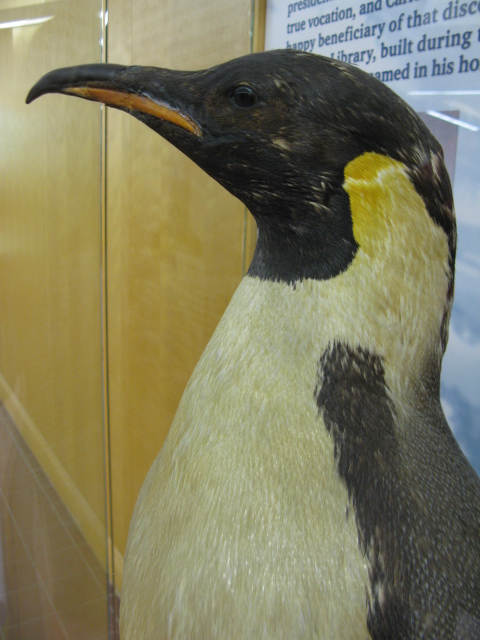
As I was walking around campus, I started to think about each object and how easy or difficult it might be to model. Toff the cat in the library, a small statue displayed in a relatively open space, would be an easier object while the Knight at Sayles would be more difficult due to its size and its proximity to the wall to take sufficient photos of the back of the statue. Oscar the penguin in the library, stored inside of a transparent box, might be the most difficult with photogrammetry since it might be near impossible to get a photo from every angle and the reflection from the glass might not make the pictures ideal for processing. Finally, the Schiller sculpture might be impossible with photogrammetry because of its inaccessibility. For this one, SketchUp might be a more viable option even though the fine facial features would be extremely difficult to model manually.
In addition to the technical aspects of using digital techniques, I was intrigued by the idea of exploring questions that I never actually thought about despite seeing these objects nearly every day for four years. Why are these sculptures displayed here? Why were these made in the first place? Where did they come from? Who made them and for what? These mascots have been on campus for a long time and have been a part of the shared experience of all the students and faculty that have been on campus, but much of their story isn’t shared among the campus community. I hope this project sheds more light on these mascots and that people who read our project can find a bit more appreciation towards these silent and still sculptures.
